


 BACK
BACK
ARTICLES
RESOURCES
From traditional manufacturer to EV tech backer
3 FEB 2021


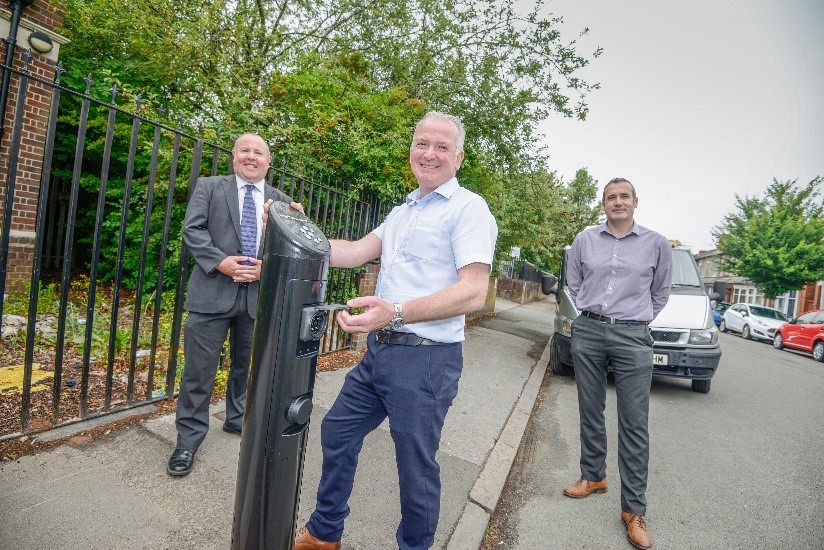
How a Coventry foundry has reinvented itself for the electric future Published: 03/02/21The advent of ACES (autonomous, connected, electric, and shared vehicles), as well as the slump in volume resulting from the Covid-19 pandemic, is causing unprecedented upheaval in the automotive industry. Companies producing diesel vehicle systems and components will already be familiar with the impact of a sudden drop in demand of long-established products, and it’s time for the whole supply chain to wake up. If ever there was a time to talk about ‘survival of the fittest,’ this is it!At Industry Forum, we work with the automotive supply chain to understand the impact of such a seismic shift to the UK. If companies do not make the right products, any competitive advantage they currently enjoy from efficient manufacturing operations will be irrelevant. We have tended to see government funds prioritising new technology start-ups over established, well-run manufacturing businesses. While investing in UK innovation and sourcing ideas from outside the industry is a good thing, it should be remembered that those manufacturers alive and well in today’s tough environment have already proved themselves capable of the hardest part: commercialising new technology into serial production.What sets one UK automotive supply chain manufacturer company apart from another in our new world is the ability not just to embrace change, but to actively influence it.One business that is doing just that is Sarginsons Industries, with whom Industry Forum has worked for many years. Sarginsons could have been a poster child for the vulnerable automotive Tier 1 manufacturer: a traditional Coventry foundry, making aluminium castings, including internal combustion engine parts, for companies such as Jaguar Land Rover, Caterpillar and ZF. Instead, under the leadership of managing director, Anthony Evans, it has transformed itself into a diversified OEM solutions provider and electric vehicle (EV) technology backer. It has recognised the rise of the start-up and leveraged its position as an established, lean manufacturer to plug some obvious gaps. Times have never been better!At the beginning of 2020, Sarginsons announced a new contract with start-up Char.gy, to develop revolutionary on-street charging points (charging bollard units or mounted to lampposts) for electric vehicles. Sarginsons supply the full unit to Char.gy; not only the aluminium castings but the internal assembly, including electronics, as well as the charging sockets. The companies are currently working together on new concepts for vehicle charging, which will be launched soon.Anthony Evans believes SMEs should break down traditions and find new opportunities: “With no new diesel or petrol cars in the UK from 2030, the disruption is palpable. It’s creating newer and much smaller manufacturers, with bigger OEMs breaking down into smaller companies too. A larger pool of people to sell things to has to be a good thing. It remains to be seen how the industry will get the vehicles ready by the ever-encroaching government deadlines. Everybody is just busy creating ideas. Sarginsons wants to be the company taking those ideas and building the prototypes. The new customers are very very different!”Anthony Evans has identified four main ways in which SME manufactures can fight fit in this rapidly changing environment.
 Authored by: Richard Sadler, director of business development at SMMT Industry Forum Richard has over 15 years of Tier One automotive manufacturing and supply chain experience. Having started his career as an Apprentice, he soon went on to hold leadership positions in Production Planning, Purchasing, Engineering and Manufacturing. Richard’s last role was Operations Director of an Automotive Tier One, serving multiple OEMs both in the UK and overseas.
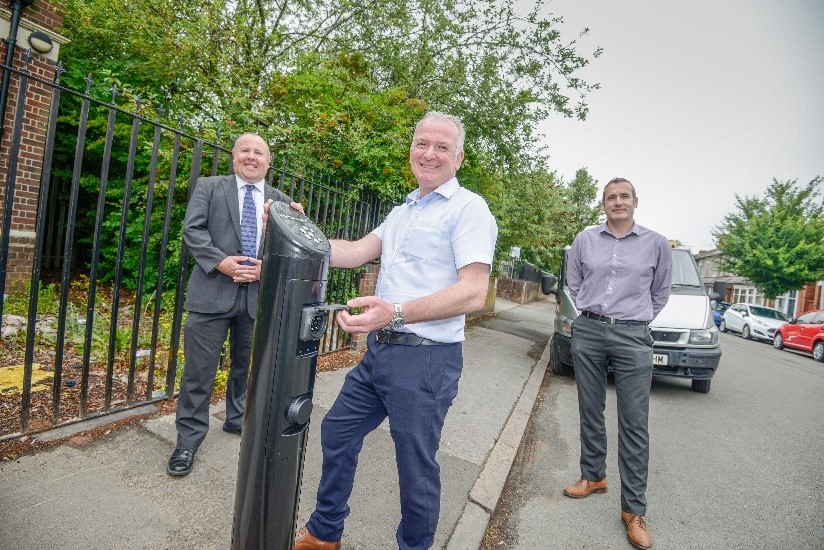 Published: 03/02/21The advent of ACES (autonomous, connected, electric, and shared vehicles), as well as the slump in volume resulting from the Covid-19 pandemic, is causing unprecedented upheaval in the automotive industry. Companies producing diesel vehicle systems and components will already be familiar with the impact of a sudden drop in demand of long-established products, and it’s time for the whole supply chain to wake up. If ever there was a time to talk about ‘survival of the fittest,’ this is it!At Industry Forum, we work with the automotive supply chain to understand the impact of such a seismic shift to the UK. If companies do not make the right products, any competitive advantage they currently enjoy from efficient manufacturing operations will be irrelevant. We have tended to see government funds prioritising new technology start-ups over established, well-run manufacturing businesses. While investing in UK innovation and sourcing ideas from outside the industry is a good thing, it should be remembered that those manufacturers alive and well in today’s tough environment have already proved themselves capable of the hardest part: commercialising new technology into serial production.What sets one UK automotive supply chain manufacturer company apart from another in our new world is the ability not just to embrace change, but to actively influence it.One business that is doing just that is Sarginsons Industries, with whom Industry Forum has worked for many years. Sarginsons could have been a poster child for the vulnerable automotive Tier 1 manufacturer: a traditional Coventry foundry, making aluminium castings, including internal combustion engine parts, for companies such as Jaguar Land Rover, Caterpillar and ZF. Instead, under the leadership of managing director, Anthony Evans, it has transformed itself into a diversified OEM solutions provider and electric vehicle (EV) technology backer. It has recognised the rise of the start-up and leveraged its position as an established, lean manufacturer to plug some obvious gaps. Times have never been better!At the beginning of 2020, Sarginsons announced a new contract with start-up Char.gy, to develop revolutionary on-street charging points (charging bollard units or mounted to lampposts) for electric vehicles. Sarginsons supply the full unit to Char.gy; not only the aluminium castings but the internal assembly, including electronics, as well as the charging sockets. The companies are currently working together on new concepts for vehicle charging, which will be launched soon.Anthony Evans believes SMEs should break down traditions and find new opportunities: “With no new diesel or petrol cars in the UK from 2030, the disruption is palpable. It’s creating newer and much smaller manufacturers, with bigger OEMs breaking down into smaller companies too. A larger pool of people to sell things to has to be a good thing. It remains to be seen how the industry will get the vehicles ready by the ever-encroaching government deadlines. Everybody is just busy creating ideas. Sarginsons wants to be the company taking those ideas and building the prototypes. The new customers are very very different!”Anthony Evans has identified four main ways in which SME manufactures can fight fit in this rapidly changing environment.
- Develop an investor mindset
- Infiltrate the supply chain
- Modernise
- Focus on competitiveness
 Authored by: Richard Sadler, director of business development at SMMT Industry Forum Richard has over 15 years of Tier One automotive manufacturing and supply chain experience. Having started his career as an Apprentice, he soon went on to hold leadership positions in Production Planning, Purchasing, Engineering and Manufacturing. Richard’s last role was Operations Director of an Automotive Tier One, serving multiple OEMs both in the UK and overseas.
VIEW MORE RESOURCES
IN OTHER NEWS



 BACK
BACK 

 CONTINUE TO CHECKOUT

