


 BACK
BACK
ARTICLES
RESOURCES
The UK Renewable Energy Sectors
21 OCT 2011


The UK Government is committed to increasing the proportion of UK energy from renewable sources since it regards climate change as one of the gravest threats facing us. The drive to increase the proportion of energy obtained from renewable sources will increase the security of energy supplies in the UK and will also provide opportunities for investment in new industries and new technologies. The Government is committed to helping business develop in this area to put the UK at the forefront of new renewable technologies and skills.The 2009 Renewable Energy Directive sets a target for the UK to achieve 15% of its energy consumption from renewable sources by 2020 compared to 3% in 2009. A Renewable Energy Roadmap for the UK has been published which sets out a comprehensive programme of actions to tackle the barriers to renewables deployment, enabling the level of renewable energy consumed in the UK to grow in line with the goals for 2020 and beyond.
See http://www.decc.gov.uk/en/content/cms/meeting_energy/renewable_ener/re_roadmap/re_roadmap.aspxThe Renewables Roadmap sets its sights on delivering as much as 18GW of energy capacity from wind farms off the UK coast by 2020. The other technologies covered in the roadmap are onshore wind, marine energy, biomass electricity, biomass heat, ground source heat pumps, air source heat pumps and renewable transport. In terms of tackling carbon emissions and climate change it is important not to forget the potential contribution of nuclear energy. Nuclear power is low-carbon, affordable, dependable, and capable of increasing diversity of energy supply. It has been part of the UK’s energy mix for the past five decades; as a result most of the existing fleet of nuclear power stations will have reached the end of their lives by 2023. The 2008 Nuclear White Paper stated that new nuclear power stations should have a role to play in this country’s future energy mix, alongside other low-carbon sources. The likely level of investment in nuclear energy in the next two decades is in excess of the total probable investment in offshore wind. The replacement of the UK’s existing nuclear capacity alone could represent some £20 billion worth of business for UK companies.In early October, Dr Mike Weightman, the UK’s chief nuclear inspector, found no fundamental weaknesses in the current licensing regime or safety principles. The Fukushima disaster provides no reason to restrict UK nuclear reactors or stop building new ones, he concluded. But “continuous improvement” should be sought, he said in his report. The government commissioned the report after the March tsunami damaged Japan’s Fukushima Daiichi plant.The Coalition Government published a programme in June 2010, which set out its vision that energy companies can build new nuclear power stations provided they are subject to the normal planning process for major projects and receive no public subsidy. The Government has confirmed nuclear would play an important role, alongside renewable energy and Carbon Capture and Storage in the future energy mix.DECC is taking a number of actions to reduce regulatory and planning risks for investors and ensure owners and operators have robust funding plans for waste management and decommissioning such as assessment of potential new build sites that are suitable on a strategic level. The aim is to have the first new nuclear power stations generating electricity from around 2018.
 The anticipated level of investment in offshore wind has already attracted several major global firms to set up facilities in this country. The Spanish wind turbine manufacturer, Gamesa has said it will invest £133 million in the UK over three years. Siemens have re-affirmed their commitment to invest just under £200 million and General Electric is to build a £99m offshore wind turbine factory in the UK, creating up to 1,900 new jobs by 2020. Hull has been selected as a turbine assembly location by Siemens and Gamesa has selected Dundee. Mitsubishi Power Systems Europe has announced that it will invest up to £100 million in a Scottish offshore wind research and development centre with the goal of commercialising efficient renewable technology.Concerns have been expressed that UK firms who might potentially join the wind energy supply chain are not fully equipped to get maximum benefit from this inward investment. A survey of the industry commissioned by The Technology Strategy Board in 2010 revealed a number of concerns:
 The circumstances which favour offshore wind in the UK energy mix also favour marine energy. The Coalition has established a new UK Marine Energy Programme, that is focusing on enhancing the UK marine energy sector’s ability to develop and deploy wave and tidal energy devices at a commercial scale. The programme involves:
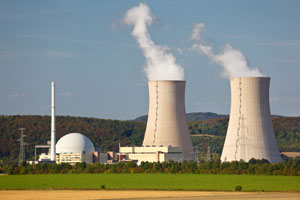 In terms of tackling carbon emissions and climate change it is important not to forget the potential contribution of nuclear energy. Nuclear power is low-carbon, affordable, dependable, and capable of increasing diversity of energy supply. It has been part of the UK’s energy mix for the past five decades; as a result most of the existing fleet of nuclear power stations will have reached the end of their lives by 2023. The 2008 Nuclear White Paper stated that new nuclear power stations should have a role to play in this country’s future energy mix, alongside other low-carbon sources. The likely level of investment in nuclear energy in the next two decades is in excess of the total probable investment in offshore wind. The replacement of the UK’s existing nuclear capacity alone could represent some £20 billion worth of business for UK companies.In early October, Dr Mike Weightman, the UK’s chief nuclear inspector, found no fundamental weaknesses in the current licensing regime or safety principles. The Fukushima disaster provides no reason to restrict UK nuclear reactors or stop building new ones, he concluded. But “continuous improvement” should be sought, he said in his report. The government commissioned the report after the March tsunami damaged Japan’s Fukushima Daiichi plant.The Coalition Government published a programme in June 2010, which set out its vision that energy companies can build new nuclear power stations provided they are subject to the normal planning process for major projects and receive no public subsidy. The Government has confirmed nuclear would play an important role, alongside renewable energy and Carbon Capture and Storage in the future energy mix.DECC is taking a number of actions to reduce regulatory and planning risks for investors and ensure owners and operators have robust funding plans for waste management and decommissioning such as assessment of potential new build sites that are suitable on a strategic level. The aim is to have the first new nuclear power stations generating electricity from around 2018.
 The anticipated level of investment in offshore wind has already attracted several major global firms to set up facilities in this country. The Spanish wind turbine manufacturer, Gamesa has said it will invest £133 million in the UK over three years. Siemens have re-affirmed their commitment to invest just under £200 million and General Electric is to build a £99m offshore wind turbine factory in the UK, creating up to 1,900 new jobs by 2020. Hull has been selected as a turbine assembly location by Siemens and Gamesa has selected Dundee. Mitsubishi Power Systems Europe has announced that it will invest up to £100 million in a Scottish offshore wind research and development centre with the goal of commercialising efficient renewable technology.Concerns have been expressed that UK firms who might potentially join the wind energy supply chain are not fully equipped to get maximum benefit from this inward investment. A survey of the industry commissioned by The Technology Strategy Board in 2010 revealed a number of concerns:
- The challenges in identifying potential customers and establishing a supply relationship with Tier 1/2/3 companies. There is a sense of supply chain disconnection from the top tier offshore wind companies and developers.
- Uncertainties over the scale, timing and commitment of the offshore market segment addressable by UK companies. In particular, UK businesses are seeking enough long-term market assurance that would warrant their capital and skilled training investments.
- Tough market entry and strong competition faced by the predominantly inexperienced small/medium size UK businesses from more established and bigger overseas companies.
- The difficulty in accessing the specification and requirements of the top tier suppliers in order to promote or evaluate the existing competencies, or to identify the scale of new manufacturing capabilities needed.
- Lack of access to any pre-qualification process, procurement opportunities and limited understanding contract placement routes.
- Difficulty in identifying potential UK or overseas business counterparts to form strategic partnerships or joint ventures.
- Limited coordinated supply chain development and business diversification support programmes to help UK businesses into the emerging offshore wind industry.
 The circumstances which favour offshore wind in the UK energy mix also favour marine energy. The Coalition has established a new UK Marine Energy Programme, that is focusing on enhancing the UK marine energy sector’s ability to develop and deploy wave and tidal energy devices at a commercial scale. The programme involves:
- Putting in place a coherent programme of policies across Government, led by DECC, to enable the UK Marine Energy sector to move from prototype testing to commercial deployment over the coming 5 years.
- Providing a direct link between Ministers and sector stakeholders.
- Support needed for small scale arrays and early commercial deployment. This group will be asked to provide recommendations back to the Board on what level of capital and revenue support is necessary to realise the development and deployment of small scale pre-commercial arrays in the medium term.
- Planning and consenting issues.
- Knowledge sharing though a Marine Intelligence Network. Facilitating knowledge sharing that is beneficial to the market as a whole has been cited as one way to reduce risk and encourage investment. The Crown Estate and DECC will lead this group in partnership to explore this idea further and discuss the possible creation of a Marine Intelligence Network.
Further Information:
VIEW MORE RESOURCES
IN OTHER NEWS






 BACK
BACK 

 CONTINUE TO CHECKOUT

